WFYB NP.DJ.046 Gimbal Yaw Motor Dji Phantom Pro
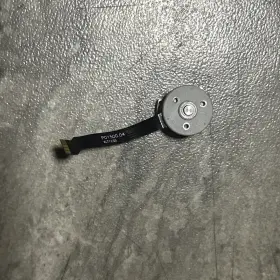
( Brand: Wfyb ), ( Manufacturer Part Number: NP.DJ.046 ), ( Compatible Brand: For Dji ), ( Type: For Dji Phantom 4 Pro ), ( Country/region Of Manufacture: China )
Review WFYB New Original Genuine Gimbal Yaw Motor For Dji Phantom Pro
The WFYB NP.DJ.046 gimbal yaw motor is a crucial component for enhancing the stability and precision of the DJI Phantom Pro quadcopter's gimbal system. Designed specifically for DJI Phantom Pro series drones, this yaw motor plays an essential role in enabling the camera to make fine adjustments and maintain a level orientation during flight, resulting in smooth and stable footage.
This high-performance yaw motor boasts a powerful brushless design, which delivers superior torque and speed for effective gimbal control. The motor features a compact and lightweight construction, making it an ideal replacement or upgrade option for those seeking to improve their Phantom Pro's gimbal performance.
The motor is engineered to operate quietly, ensuring that your aerial footage is free from unwanted background noise. The durable materials used in its construction ensure that it can withstand the rigors of frequent use and outdoor environments.
Each WFYB NP.DJ.046 gimbal yaw motor includes all necessary mounting hardware and is compatible with the original DJI Phantom Pro gimbal design. Installing this motor is a straightforward process that can be completed in a matter of minutes, allowing you to quickly upgrade your drone and take your aerial photography and videography to the next level.
In summary, the WFYB NP.DJ.046 gimbal yaw motor is an essential accessory for DJI Phantom Pro users who demand superior gimbal stability, precision, and quiet operation. Its powerful brushless design, compact construction, and easy installation process make it an excellent choice for both hobbyists and professional aerial photographers and videographers.
Buying the WFYB NP.DJ.046 gimbal yaw motor for a DJI Phantom Pro Quadcopter carries its own set of advantages and disadvantages: Advantages:1. Replacement Part: This motor is specifically designed as a replacement part for DJI Phantom Pro quadcopters. It ensures a perfect fit and seamless integration with the existing gimbal system.
2. Improved Performance: A faulty or failing yaw motor can significantly impact the stability and smoothness of your gimbal and camera movements. Replacing it with a new and functioning motor can result in improved performance and better video quality.
3. Cost-Effective: Compared to buying an entirely new gimbal system, purchasing a replacement yaw motor can save you a considerable amount of money, especially if your existing gimbal is in good condition.
Disadvantages:1. Complex Installation: Installing a new gimbal yaw motor can be a complex and time-consuming process. It requires a good understanding of the gimbal system's internal workings and the necessary tools to carry out the installation safely and effectively.
2. Risk of Damaging Other Parts: During the installation process, there is a risk of damaging other parts of the gimbal system or the quadcopter itself. Careful handling and installation are essential to avoid any potential damage.
3. Potential Compatibility Issues: While the WFYB NP.DJ.046 motor is designed specifically for the DJI Phantom Pro, there is still a possibility of compatibility issues arising. These can include software incompatibilities or mechanical issues that may require further troubleshooting.
In conclusion, considering the advantages and disadvantages, purchasing a WFYB NP.DJ.046 gimbal yaw motor for a DJI Phantom Pro can be a worthwhile investment if you are experiencing issues with your existing motor and are comfortable with the installation process. However, it is essential to carefully consider the risks and potential complications before making the purchase.
If you are not confident in your ability to install the motor yourself, it may be worth considering hiring a professional or contacting DJI's customer support for assistance. Alternatively, you could explore other options, such as purchasing a refurbished or used gimbal system, to avoid the installation process altogether. Ultimately, the decision depends on your specific needs, budget, and technical expertise.
Details:
specifications rcparta:
- brand: Wfyb
- mpn: Np.dj.046
- compatible brand: For Dji
- type: For Dji Phantom 4 Pro
- country/region of manufacture: China
seller rcparta:
- # reviews: 206
- city: Las Vegas, Nevada
- rating: 94.7%
payments rcparta:
- credit card: Diners-club
- other
- wallet: Paypal
general rcparta:
- Radio Control Control Line > RC model Vehicle Parts Accs > Other RC Parts Accs
- condition: New
offer rcparta:
- options: Ship-to-home
- quantity: 1
- best offers: True
- started: May 31, 2025
- sold: 0
- availability: In Stock
returns rcparta:
- policy: No Returns
shipping rcparta:
- transit: 5-11 Days
- service: USPS Ground Advantage
- carrier: USPS
- type: Calculated
- cost: $4.62
- class: Standard
Wfyb NP.DJ.046 Is Similar To:
- Wfyb Np.dj.038 Original Front Left right Back Motor Arm Parts For Dji Mavic Pro (61.4% similar) Original front left/right back motor arm parts for dji Mavis pro: pro. Features: just as the pictures show; tested and work well. Suitable for dji Mavis pro. Condition: used, compatible model: for dji Mavis pro, color:as shown in the figure, country/region of manufacture:china, brand:for dji, type...(November 27th, 2024)
- Wfyb Np.dj.198 Original Oem Dji Mavic Air 2 Gps Board Module (47.8% similar) Fit for dji Mavis air 2s drone only. That's why we cut on all unessential business expenses. Item includes. Original oem repair parts for dji Mavis air...(December 5th, 2025)
- Wfyb Np.dj.202 Brand-new Genuine Gps Board Suitable For Dji Air 3 Drone Repair (53.9% similar) Crafted with precision and durability in mind, ensuring compatibility seamless integration your air 3 drone. It is lightweight, weighing only 1 oz, making it easy to install and carry as a spare part for your drone. That's why we cut on all unessential business expenses. Applicable model: for dji...(December 5th, 2025)
- Wfyb Np.dj.203 Genuine Imu Positioning Module For Dji Air 3 Drone Replacement Board (49.7% similar) Performance restored to like-new after replacement, it effectively restores the aircraft's hover stability, flight path accuracy, and overall safety, giving your air 3 a new lease on life. Installation advice:after replacement...(December 5th, 2025)
